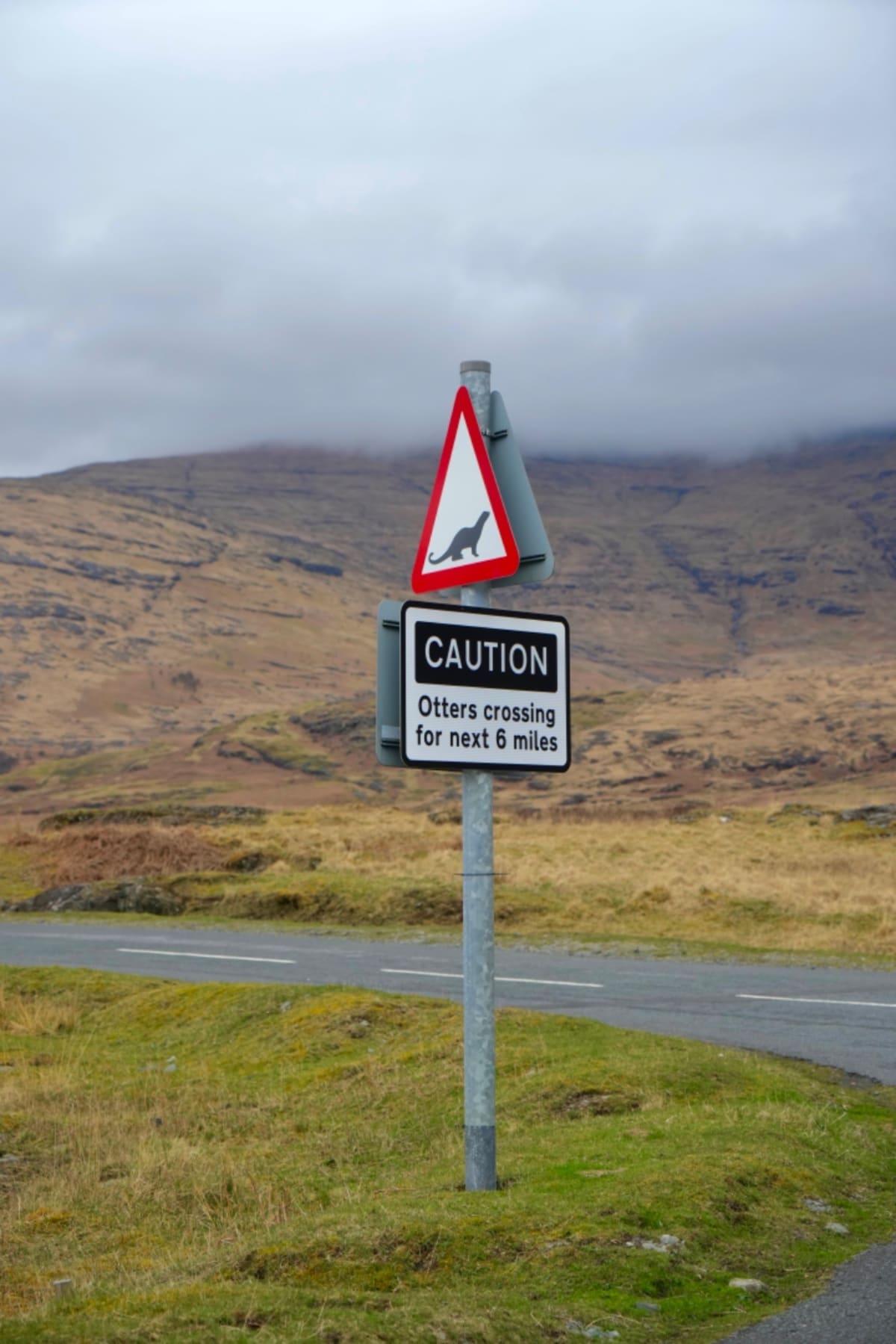
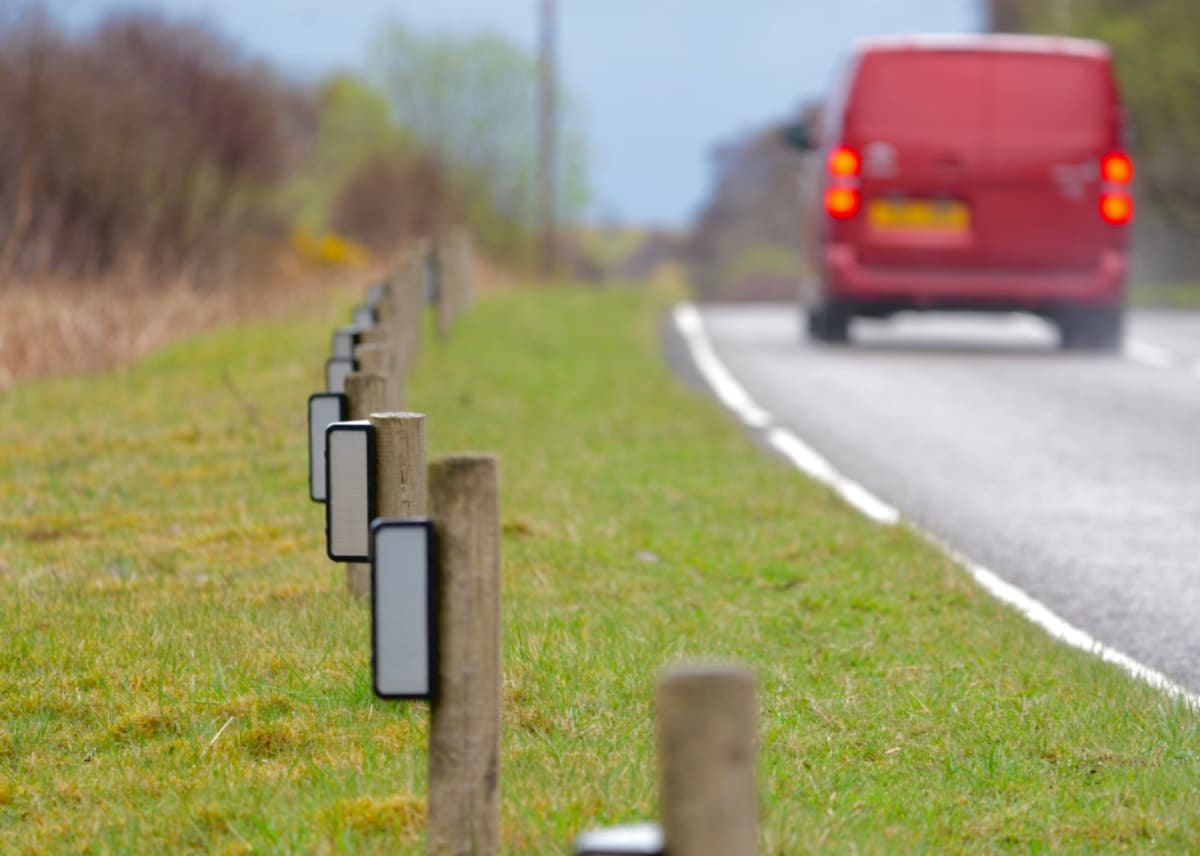
OTTERS OF THE ISLE OF MULL: A CONSERVATION STORY
Published:2 January 2023
Link www.quercus.com
The Isle of Mull, located just south of the famous Isle of Skye in Scotland, is the second-largest of the Inner Hebrides, covering around 875 square kilometres (roughly the size of Lanzarote). The contrast between its landscapes is striking, ranging from 1,000-metre peaks rising from sea level to Caledonian pine forests (Pinus sylvestris).
This diversity of habitats allows a wide range of species to settle on the island and, in turn, attracts large numbers of nature enthusiasts.
For example, the island has the largest population of white-tailed eagles (Haliaeetus albicilla) in the United Kingdom, with around ten breeding pairs. Visitors can observe their nests from a distance. Hen harriers (Circus cyaneus) and short-eared owls (Asio flammeus) are also common on the moors, where they have established one of Scotland’s largest populations.
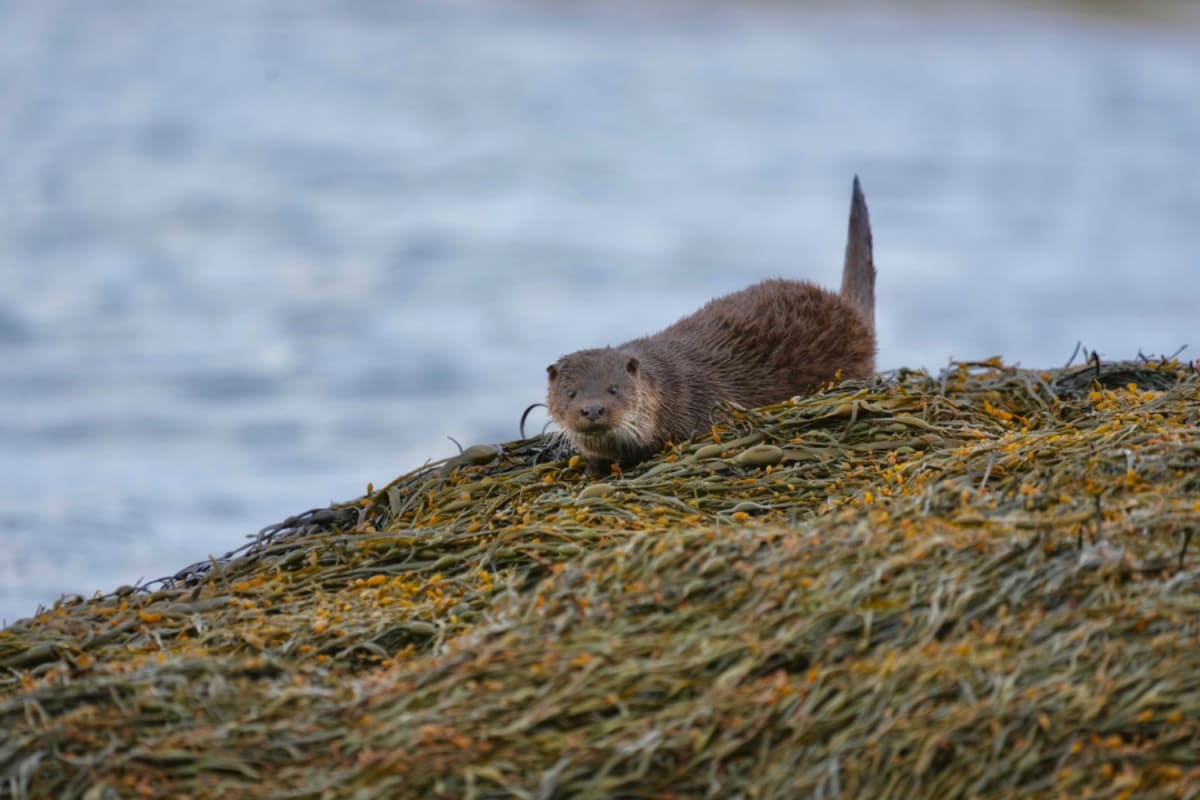
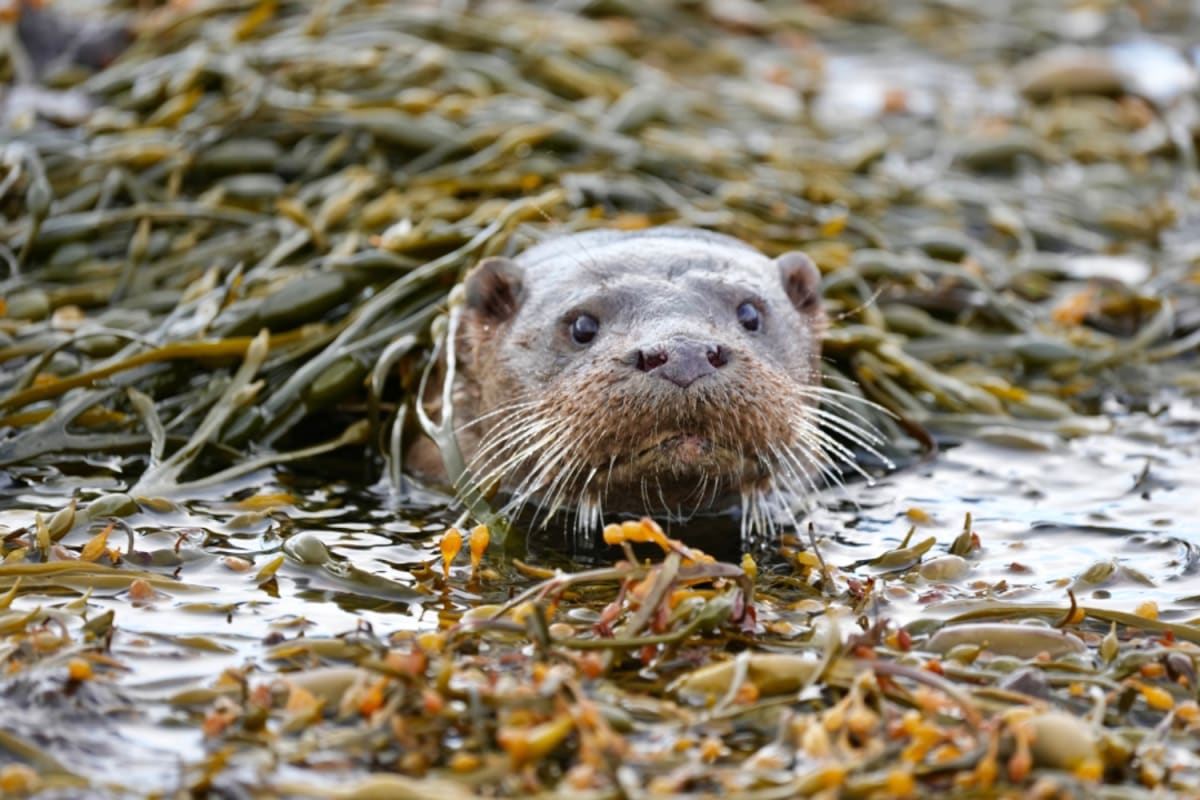
But Mull has more to offer than birds. In fact, one of its most important species is a mammal: the Eurasian otter (Lutra lutra). The population established on Mull, together with that of the Shetland Islands, is one of the largest in the United Kingdom.
Keep reading...