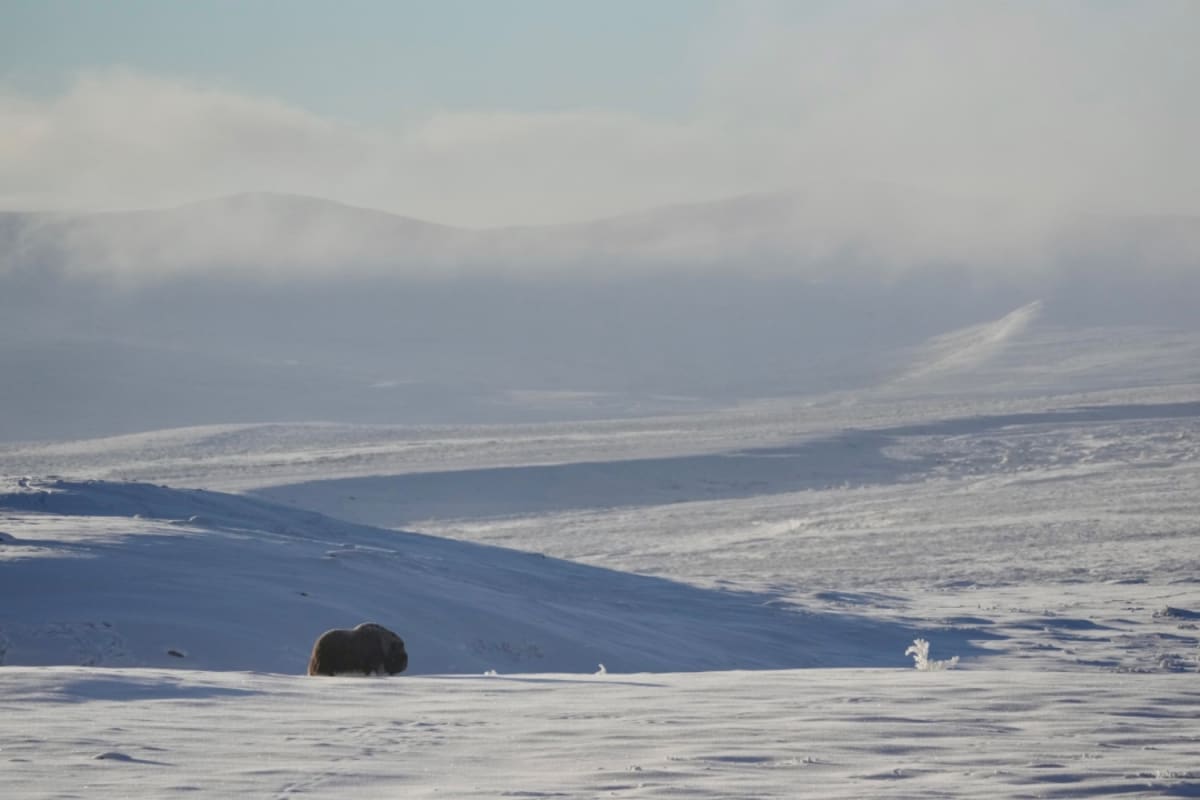
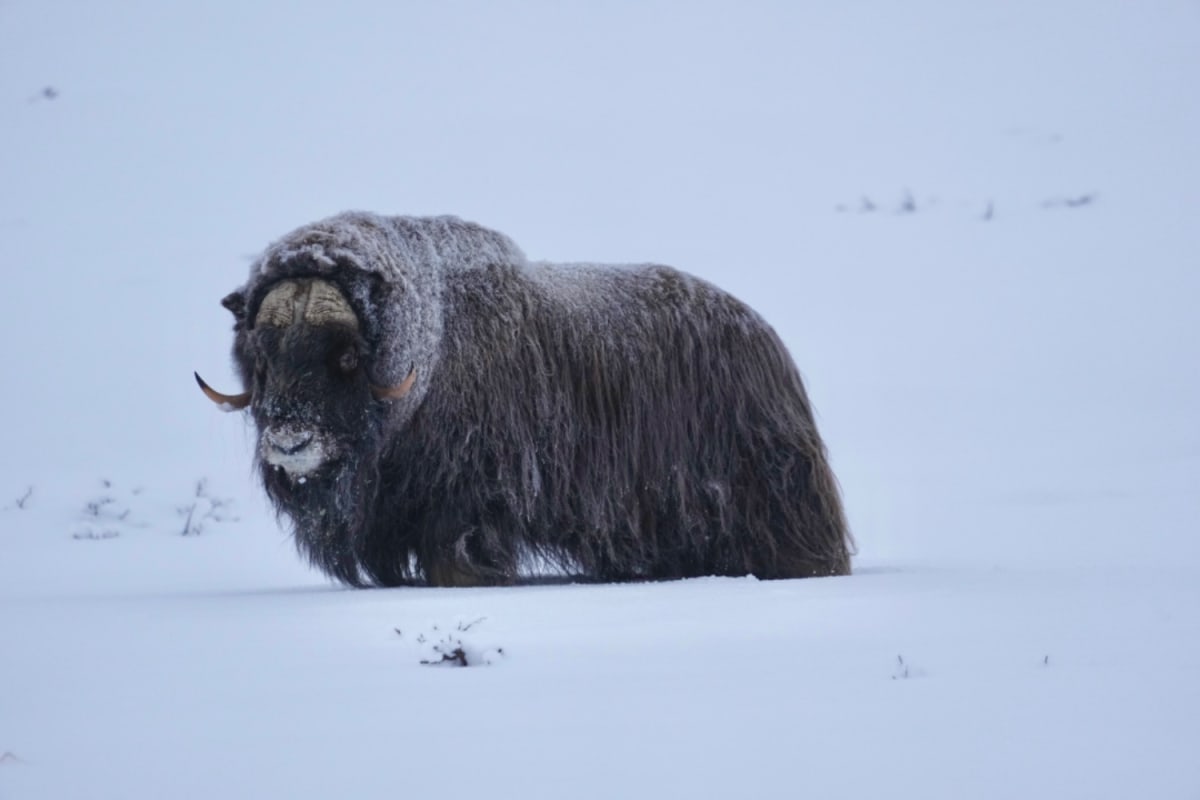
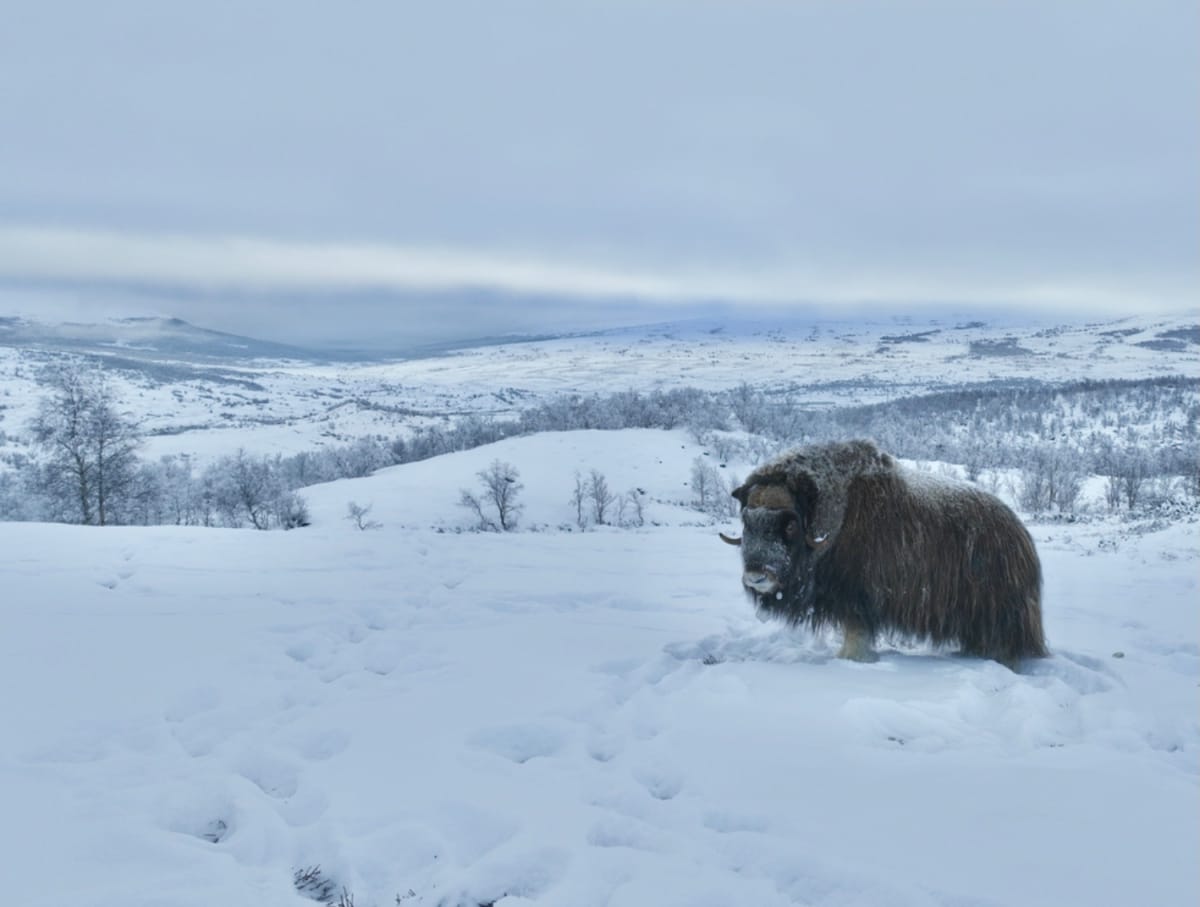
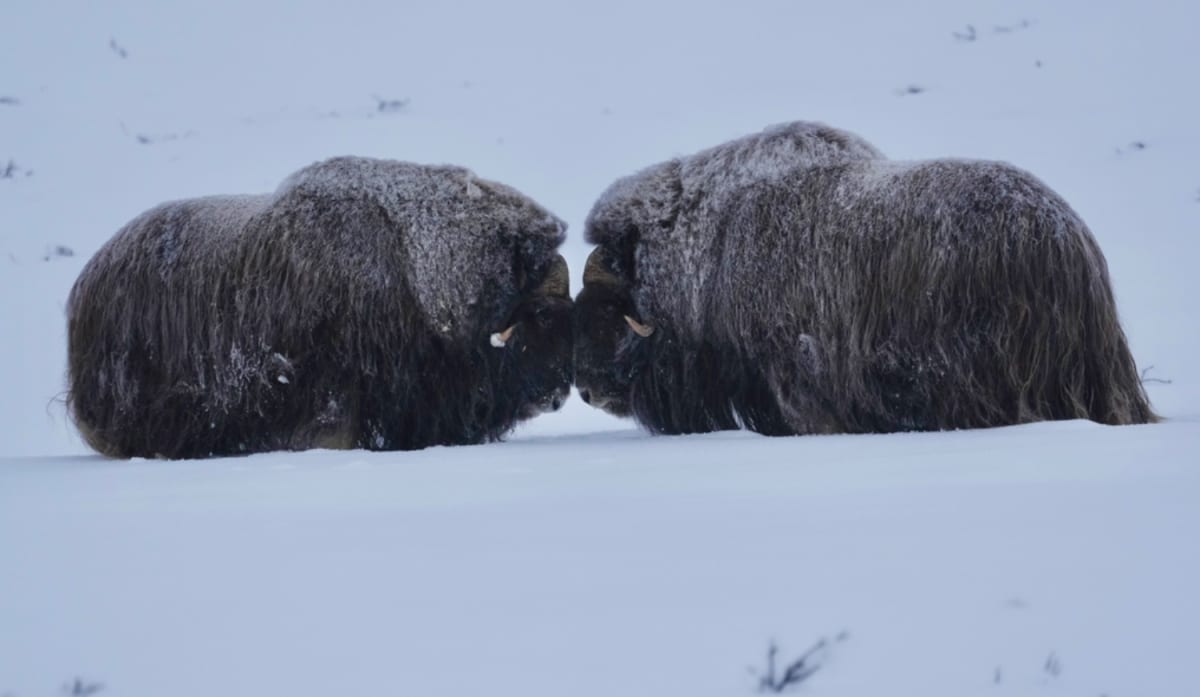
NORWEGIAN MUSK OXEN: EUROPE’S LIVING FOSSILS
Published:1 March 2025
Link www.quercus.com
It is 1913. We are in Innset, central Norway. During excavations for a new railway line, workers uncover some bones that surprise the scientific community. They are two vertebrae belonging to a large mammal, unearthed at a depth of nine metres. They belong to a musk ox (Ovibos moschatus).
Despite its common name, this species is more closely related to goats and sheep than to cattle. Today, it is found only in Alaska, northern Canada and Greenland. But 25,000 years ago, when the frozen tundra stretched beyond the Pyrenees, musk oxen inhabited much of Europe. Fossil remains found in Spain, Germany and Switzerland are evidence of this.
The discovery made during the Norwegian railway works in the early 20th century also confirmed that musk oxen had once lived in the area. Almost twenty years later, in 1932, a reintroduction programme began in Dovrefjell National Park, close to where the remains had been found.
Ten animals from Greenland were released at the time: three males and seven females. The group gradually moved away and eventually settled about twenty-five kilometres from the release site, in a remote mountainous area.
Keep reading...