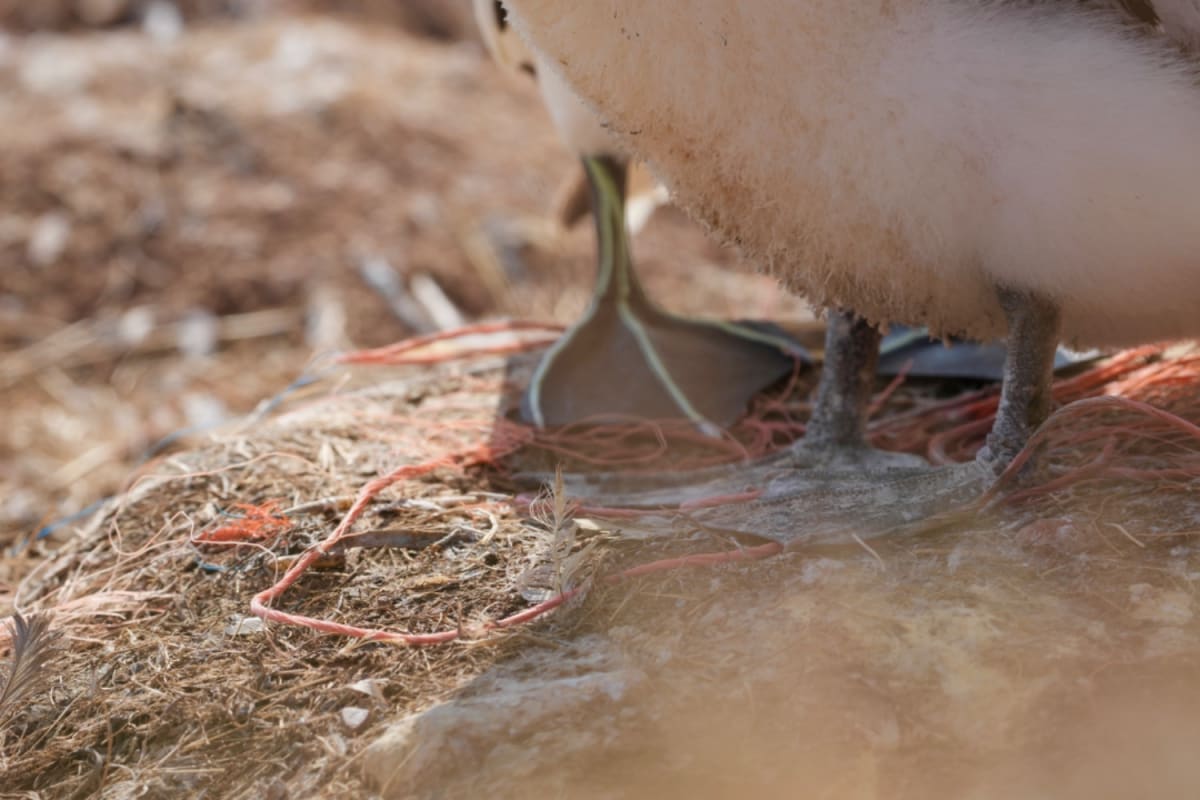
NEST FULL OF NETS
Published:11 December 2024
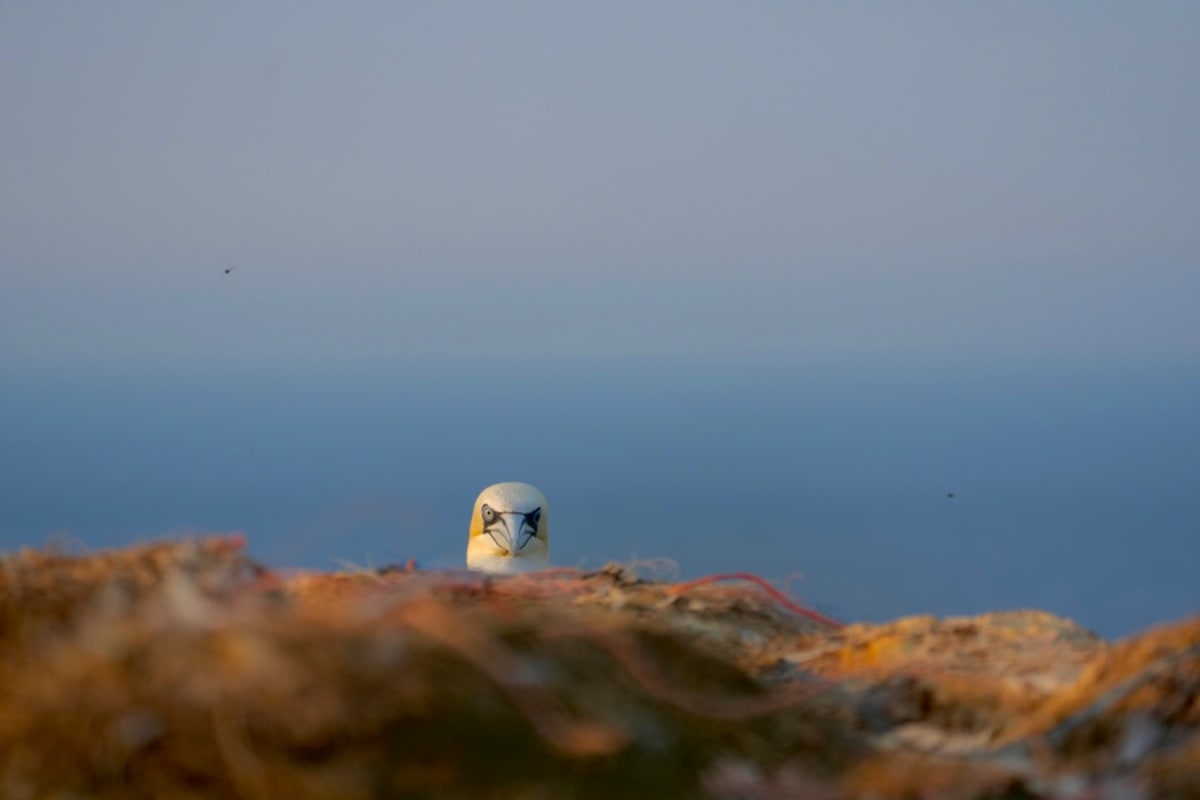
We often think that we need to travel to very isolated places and remote countries to see wildlife. Most nature documentaries paint that picture, and it is a common idea when it comes to wild animals: you have to venture deep into the wilderness to spot them in their natural habitats, virtually untouched by humans. But there are exceptions, as I recently discovered.
When I boarded a boat in Hamburg bound for the small archipelago of Heligoland in the North Sea, I was expecting an isolated island, battered by wind and waves, where birds and wildlife thrived in perfect harmony. However, as I stepped onto the catamaran that would take me there in three hours, I began to suspect things might be different when I saw several families with children coming on board. They were also carrying large bags, as if they planned to stay for quite some time. When I arrived, I discovered that the island was nothing like I had imagined. Its main attraction was the long stretch of white sandy beaches running along the coastline.
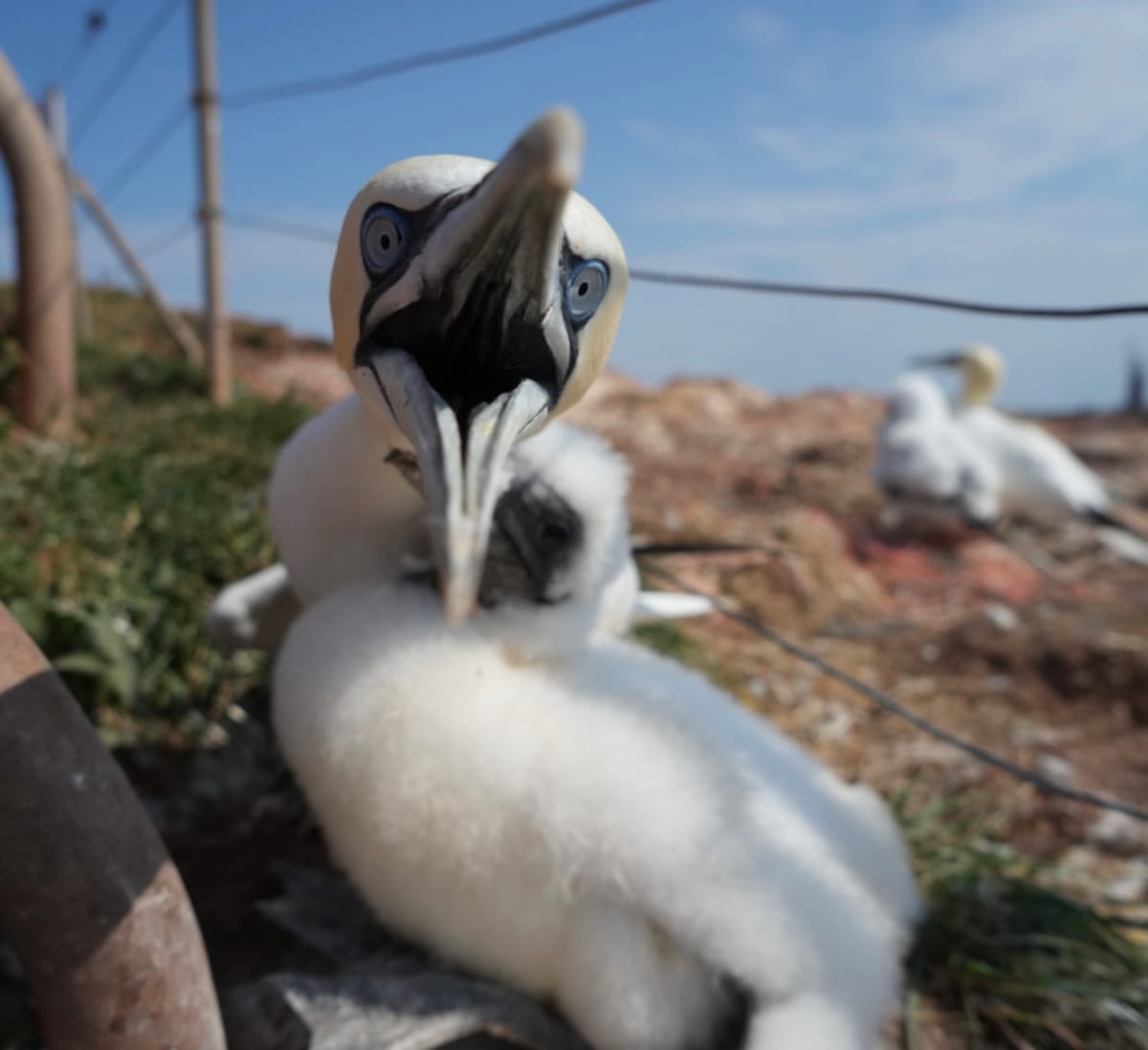
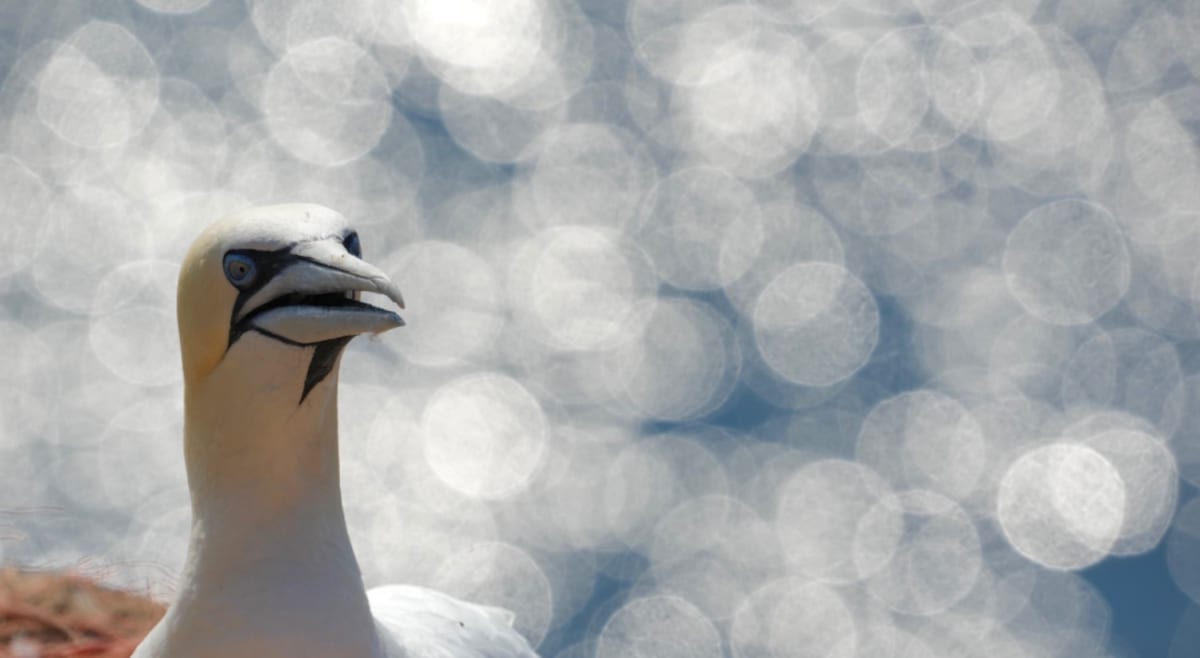
Heligoland consists of two North Sea islands: the larger Heligoland and the smaller Düne. Heligoland is the busier island and home to the main town, with its restaurants, shops and hotels, while Düne has a few campsites and a small airport. Both islands are famous for their sandy beaches, which stretch as far as the eye can see. However, their appeal goes beyond tourism and long beaches: they show how good management can help different species coexist and thrive. On Heligoland, these species are seals and gannets.
Keep reading...